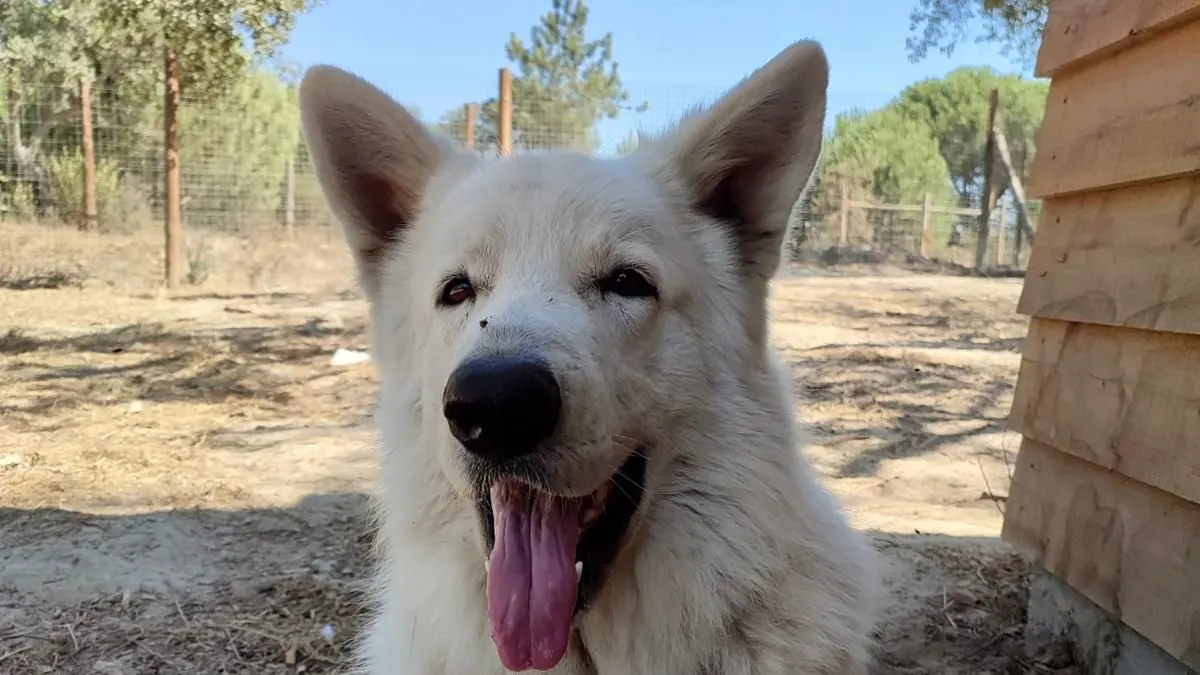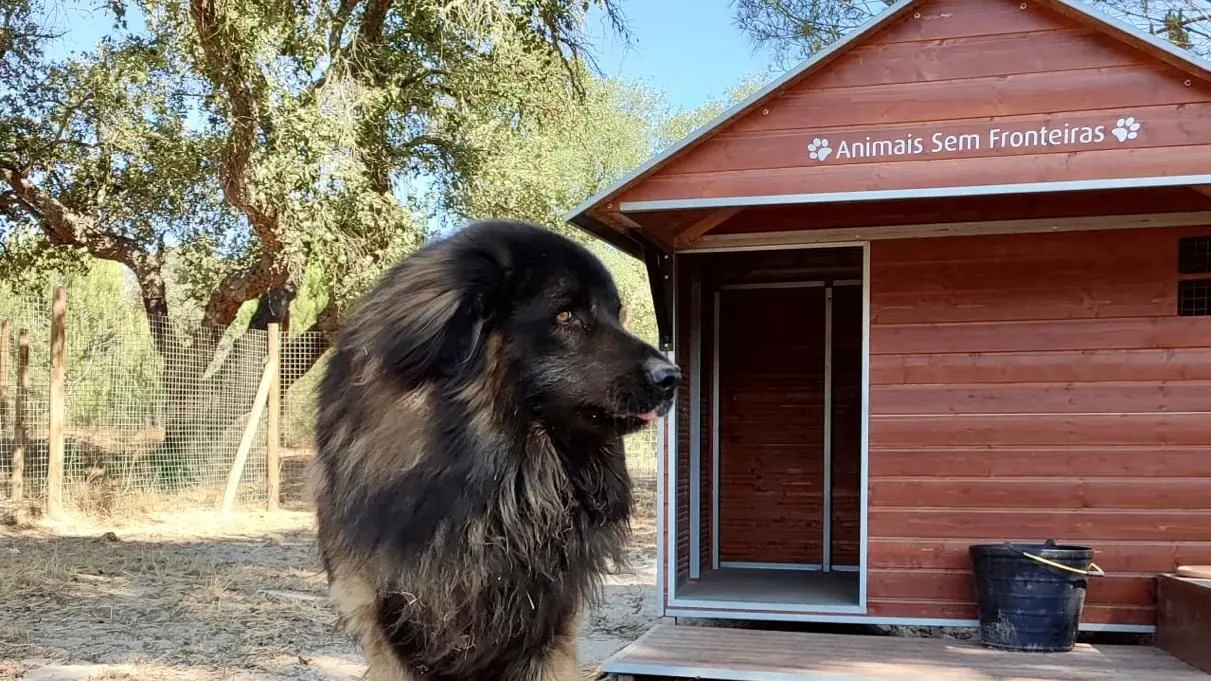
When we think about adopting, the picture that comes to mind is almost always a puppy. Yet adopting an adult or senior dog is one of the wisest decisions a family can make. These dogs wait longer for a home, and they have so much to give.
A temperament you already know
With a puppy, the character is still to be discovered. An adult dog's personality is already formed: you can tell whether they are calm or playful, whether they like children, whether they prefer peace and quiet or long walks. This makes it easier to find the right companion for your way of life.
That is why talking to the team who knows the dog is so important. People who spend every day with a dog can tell you how they react to visitors, noises, other animals and changes in routine.
Less work in the early stages
A puppy needs many hours of attention, constant supervision and patience to learn the basics. An adult dog usually:
- learns faster, because they can concentrate for longer;
- needs fewer trips outside at odd hours;
- is less destructive, having already passed the chew-everything stage;
- settles into a predictable routine fairly easily.
This does not mean they need no training, walks or company. It means the most tiring stage is already behind them.
The senior dog: calm and gratitude
Older dogs are often the ideal companions for people who want a peaceful life. They enjoy short walks, a comfortable bed and being close to their people. For many families, they are the perfect choice.
It is true that age brings some needs. A senior dog's health calls for more attention and regular visits to the vet. Before adopting, it is worth understanding what care the animal needs and whether you can provide it. For any health question, your vet is always the best person to advise you.
How to prepare for their arrival
An adult dog moving to a new home needs time to realise they are safe. A few things help:
- Create a quiet corner, with a bed, water and somewhere they can retreat.
- Keep regular times for meals and walks.
- Introduce the home slowly, without too many visitors in the first few days.
- Be patient. Shyness, wariness and some insecurity are normal in the first weeks.
- Avoid leaving them alone for long periods right at the start.
Every dog takes their own time. Some feel at home within days, while others need months to trust fully. That trust, when it comes, is one of the loveliest rewards of adoption.
Questions to ask before you decide
- What is this dog's energy level, and how does it fit with my routine?
- How do they react to other animals and to children?
- What health care will they need throughout their life?
- Am I ready to be with them to the end, including in old age?
If you have doubts about the commitment adoption involves, also read Adopting responsibly: what you should know.
Not every animal can be adopted
At the sanctuary, some residents stay with us for life, because of age, health or temperament. If you cannot adopt but would like to look after one of them, you can sponsor them. And if you are over 65 and enjoy company, you can find out about the programme for seniors.
How to help
- Meet the animals looking for a family at /en/adocoes.
- Sponsor an animal that cannot be adopted at /en/apadrinhar.
- See the programme for seniors at /en/seniores.
- Give your time as a volunteer at /en/voluntariado.
- Discover other ways to support us at /en/como-ajudar.
- Any questions? Get in touch at /en/contactos.