With autumn and winter come rain, wind and frosty mornings. Dog care in winter is not complicated, but it makes a real difference to comfort and health. Not every dog feels the cold in the same way, and getting to know yours is the first step.
Every dog feels the cold differently
Small dogs, short-haired dogs, seniors, very young dogs and those with little body fat feel the cold sooner. Dogs with thick coats and larger bodies usually cope better, but they have limits too, especially in damp and windy weather.
Watch for signs such as shivering, a hunched walk, reluctance to go outside, constantly looking for warm spots or lifting paws off the ground. If you see these, shorten the walk and bring your dog indoors.
A warm, dry place to rest
The bed should be away from draughts and never pushed against damp walls or placed straight on a cold floor. A raised bed or one with an insulating base helps. Adding blankets that you can wash often makes the corner cosier.
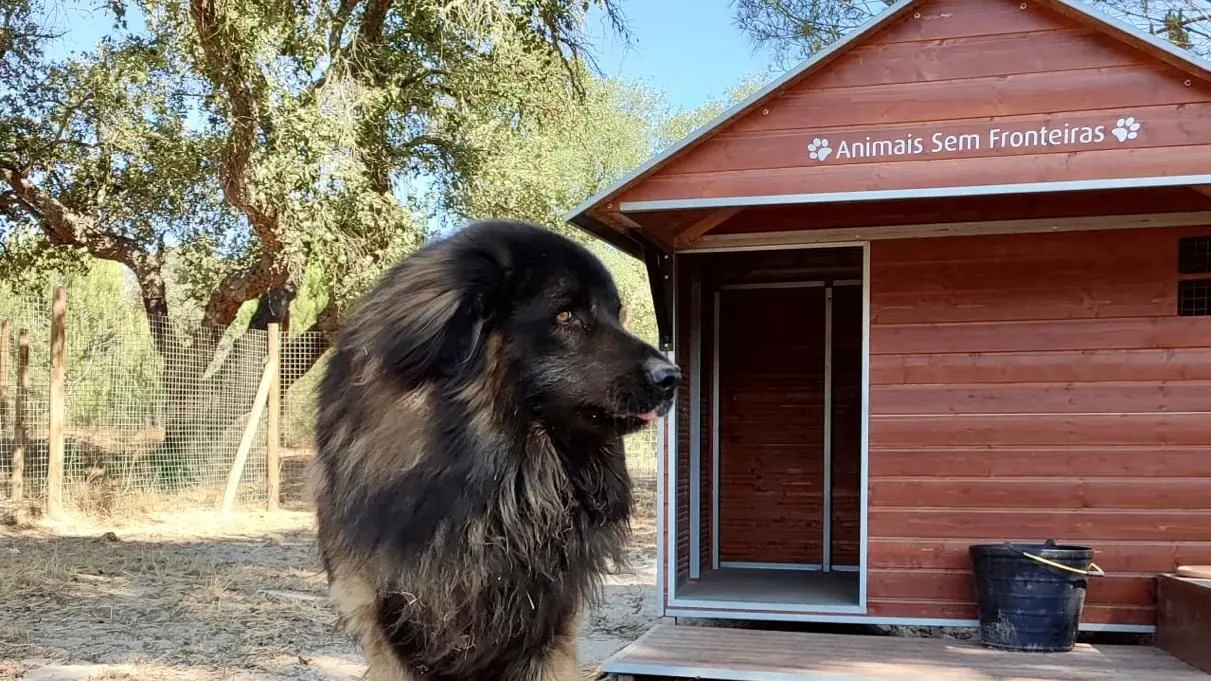
If your dog sleeps outdoors, it needs a shelter that is closed on three sides, raised off the ground, completely dry and lined with bedding that stays dry. On the coldest nights, the safest place is indoors.
Walks in rain and wind
Walks are still important, but they can be shorter and more frequent. Pick the least cold hours of the day and avoid leaving your dog standing around in the cold.
- Coat or raincoat: useful for small, short-haired or elderly dogs. It should fit snugly without being tight and should not restrict movement.
- A towel by the door: dry your dog when you get home, including the belly, armpits and between the toes.
- Mind the ground: ice, puddles and mud can hide stones and glass.
Do not leave a wet, cold dog in the car or on a balcony. Prolonged dampness is what bothers them most.
Paws and coat
After every walk, clean and dry the paws. Mud, water and, in some areas, salt or products used on roads can irritate the pads. Check for cuts, cracks or muddy tufts of fur between the toes.
Brushing regularly prevents tangles and helps the coat insulate better. Do not clip the coat short in winter, and bathe your dog only when really necessary, in a warm place, making sure it is thoroughly dry afterwards.
Food and water
Some dogs burn more energy keeping warm, while others, who get fewer walks, become less active. Keep an eye on your dog's weight through the winter and talk to your vet before changing the amount or type of food.
Water should always be fresh and clean, not frozen. Dogs still need to drink when it is cold.
Hazards of the season
- Antifreeze: it is very toxic and has a taste that can attract animals. Keep it tightly closed and clean up any spill straight away.
- Heaters and fireplaces: keep your dog away to avoid burns and accidents with cables.
- Plants and festive food: some decorative plants and party foods are dangerous for dogs and cats. If in doubt, keep them out of reach and ask your vet.
- Early darkness: with less daylight, use a reflective collar or harness and a safety light.
Older dogs and dogs in pain
Cold and damp can make daily life harder for older dogs or those with joint problems. If you notice stiffness, reluctance to get up or to climb stairs, book an appointment. Your vet is the person who can find the cause and advise what to do. Never give medication on your own.
If you need to travel
Winter also brings weekends and holidays away from home. If you need to leave your dog, see how the sanctuary's stays and daycare work, where every booking also helps the animals who live with us.
How you can help the animals at the sanctuary
Winter means higher costs for food, bedding and veterinary care. If you would like to help, there are several ways:
If you enjoyed this article, you may also like Summer without risks: looking after pets in the heat.