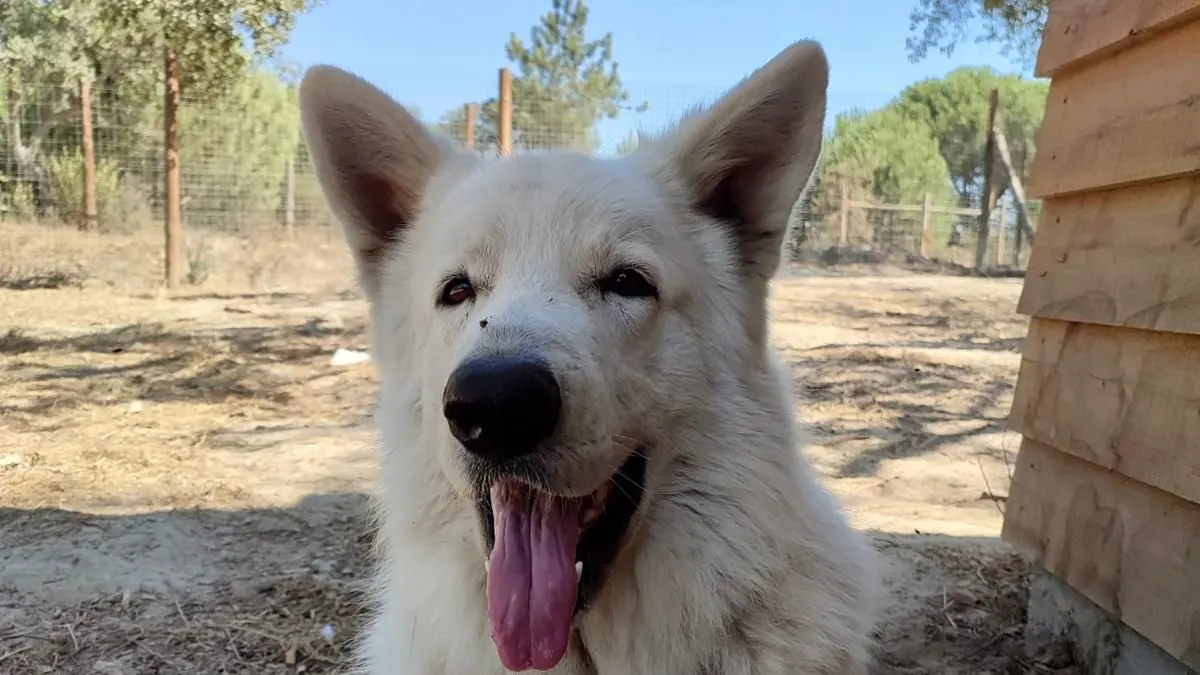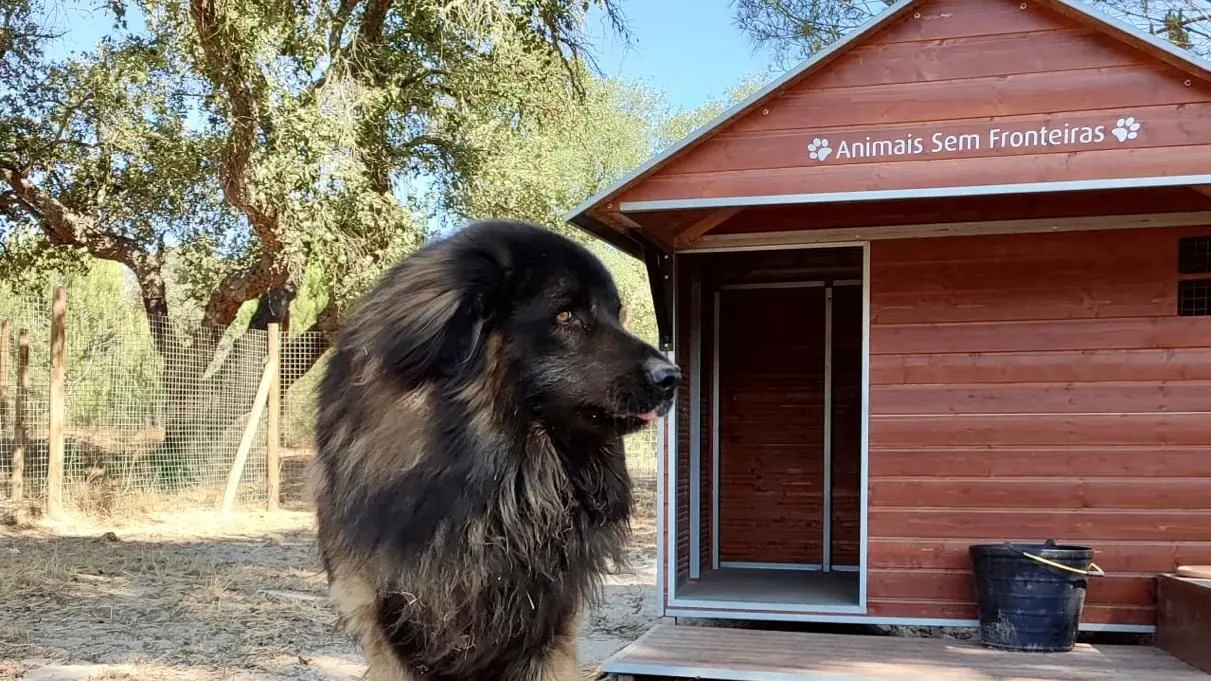
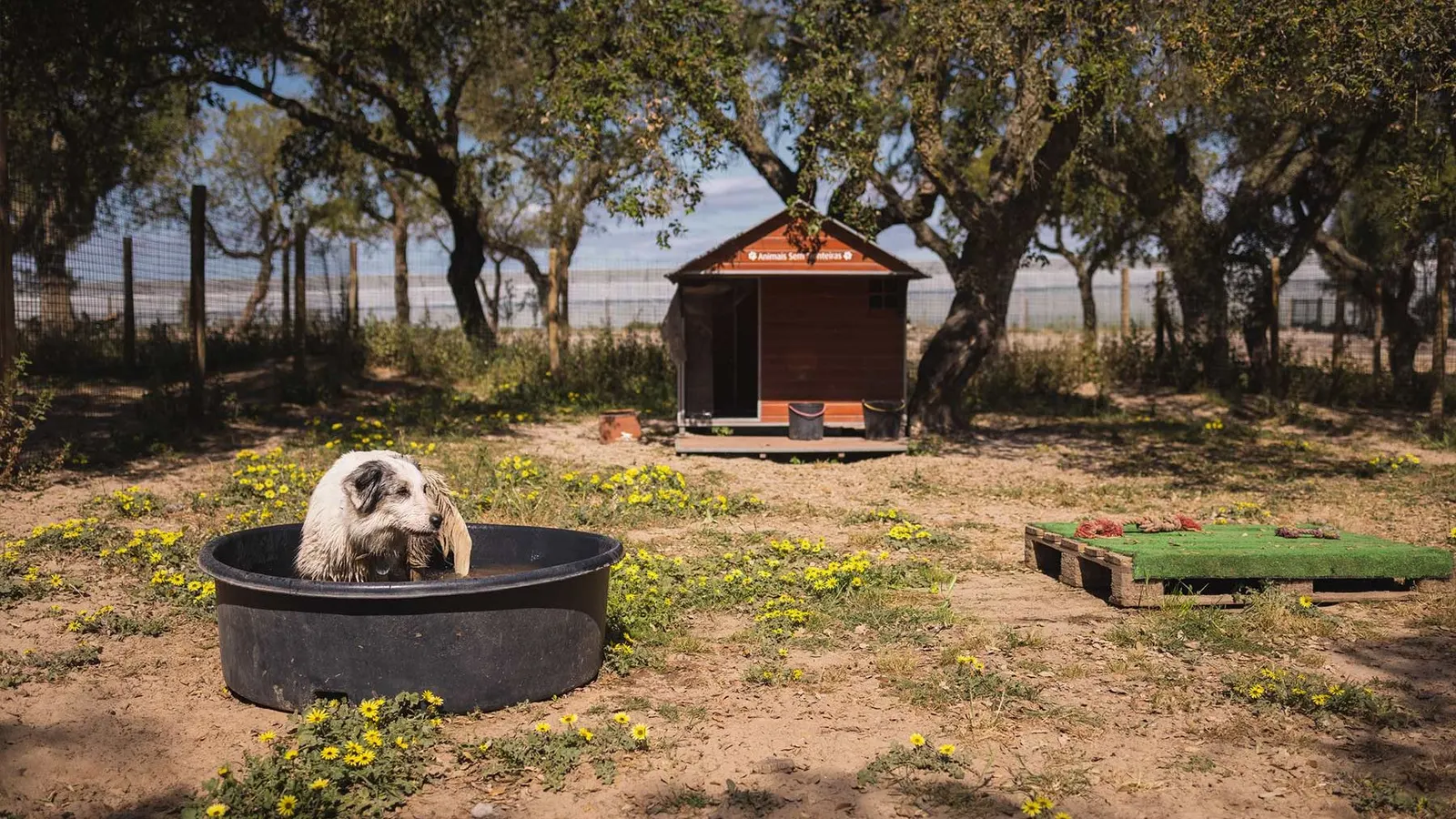
Dogs and cats don't sweat the way we do. They cool down mainly by panting and through the pads of their paws, which makes them far more vulnerable to high temperatures. At the sanctuary, summer means changing the routine of every resident. At home, a few simple precautions make all the difference.
Fresh water at all times
Leave several bowls of water in different places, in the shade, and change it throughout the day. On walks, take a bottle and a bowl. Some dogs enjoy ice cubes or a damp towel to lie on.
Walks outside the hottest hours
Walk early in the morning and in the evening. Between 11 am and 5 pm, tarmac and pavements can burn the pads of their paws. A simple test: rest the back of your hand on the ground for seven seconds. If you can't bear it, neither can your dog.
Never in a closed car
On a hot day, the inside of a car heats up within minutes, even with the windows slightly open and parked in the shade. Never leave an animal alone in a car, not even for a short while.
Shade and cool at home
Make sure your animal always has a cool, shaded place to go to. If it lives outdoors, a kennel isn't enough: it needs proper shade and ventilation. Avoid energetic play during the hottest hours.
Who is most at risk
- Elderly animals or those with heart and respiratory conditions.
- Short-nosed dogs, such as bulldogs, pugs and boxers.
- Overweight animals.
- Puppies and animals with very thick or dark coats.
The signs of heatstroke
Heavy panting, excessive drooling, very red or purplish gums, weakness, disorientation, vomiting or collapse. If you notice any of these signs:
- Move the animal into the shade or somewhere cool.
- Wet it with cool water, not ice-cold, especially on the belly, armpits and paws.
- Offer water, without forcing it to drink.
- Call the vet straight away. Heatstroke is an emergency, even if the animal seems to be getting better.
And don't forget parasites
Summer is also the season for fleas, ticks and the mosquitoes that transmit leishmaniasis and heartworm disease. Keep worming and preventive treatment up to date, as your vet advises.
Going on holiday?
If you can't take your dog with you, with the sanctuary's boarding and day care it stays in the countryside, with shade from the cork oaks, fresh water and people to look after it. Boarding is for members with an up-to-date membership, with no donation required, and helps keep the sanctuary going for the animals who live here.