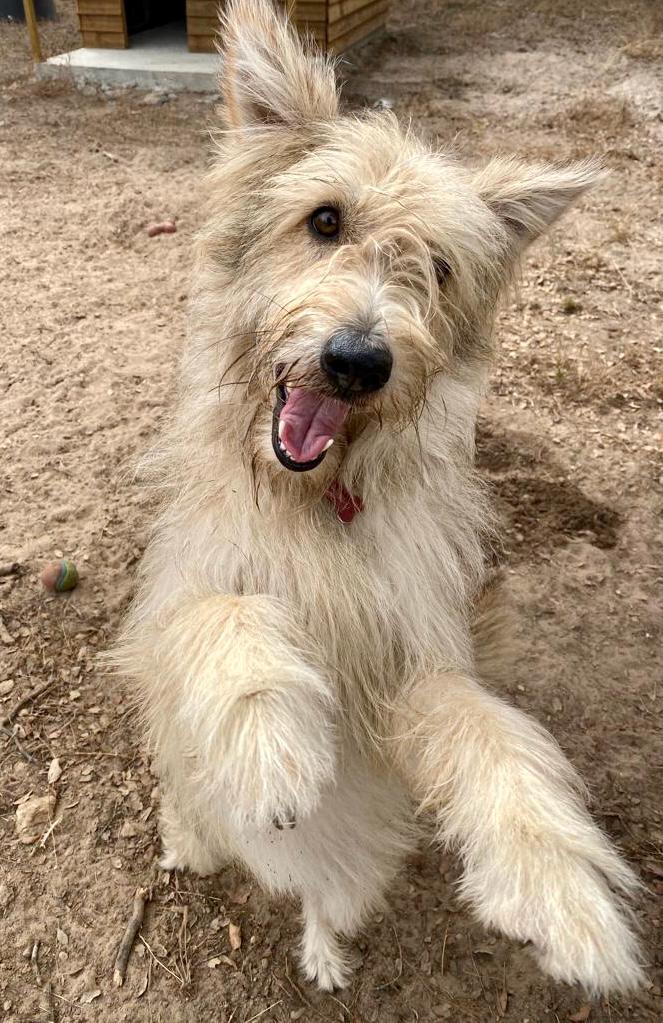
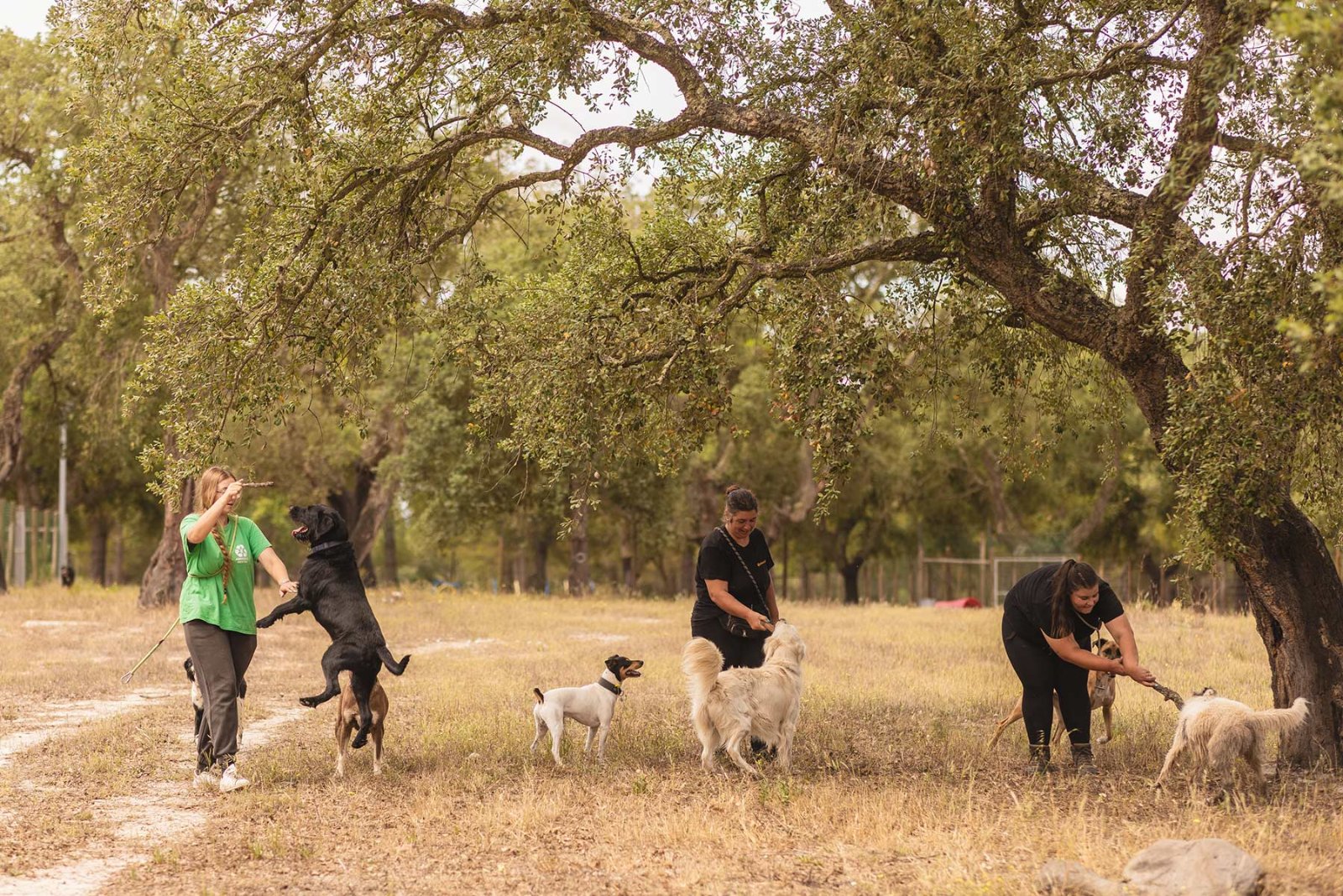
Volunteering with animals is one of the most direct ways to help: you give your time, and that time turns into walks, clean beds and company. Many people would like to try it but hold back because they don't know what to expect. This guide explains what a volunteer's day looks like, what to bring and what makes someone a real help, especially in the colder months.
What a volunteer does
The usual picture is of walking dogs and handing out cuddles. That does happen, and it matters, but it is only part of the job. In a shelter or a sanctuary, the everyday work includes:
- cleaning shelters, washing bowls and changing the water;
- making beds and tidying blankets;
- walking the dogs and helping them get used to new people;
- brushing, observing and keeping the shyer ones company;
- helping at events and adoption fairs, or with communications or transport.
Cleaning is the least photographed task and the one that counts most. A clean, dry space means less illness and calmer animals. Anyone who arrives willing to pick up a broom is always welcome.
You don't need experience
You don't need to have had dogs or to know about animal behaviour. You do need a willingness to learn, attention and respect for the guidance of the people who know the animals. At the sanctuary, nobody starts alone: there is always someone from the team nearby to explain each task.
Nor do you need to be very strong or very sporty. There are tasks for different temperaments and paces. Be frank about what you can manage and what you would rather do, and the team will find a place for you.
What to wear and bring in winter
Out in the countryside, winter brings rain, mud and cold mornings. Come prepared to get dirty.
- Old, comfortable clothes, in layers you can take off once the work warms you up.
- A waterproof jacket with a hood. An umbrella gets in the way and can frighten some animals.
- Wellies or closed shoes with a good sole.
- Long trousers, even on milder days.
- A change of clothes and a towel in the car for the journey home.
- Water and a small snack.
Leave long earrings, necklaces, loose scarves and strong perfumes at home. And don't bring food or treats for the animals without asking first: many of them are on a specific diet.
How to approach the animals
Many rescued animals have been through difficult situations and need time to trust. A few simple rules help:
- Move slowly and speak quietly.
- Let the animal come to you. Crouching side-on, without facing it head-on, is less intimidating.
- Stroke the chest or the flank rather than reaching over the head.
- If the animal moves away, tenses up, licks its lips or looks away, give it space.
- Never insist, don't corner it and don't wake it suddenly.
The team will tell you which animals you can spend time with and how. Always follow that guidance, even if an animal seems very gentle to you. Close every door and gate properly behind you: it is the simplest rule and one of the most important.
Safety and hygiene
Wash your hands before and after being with the animals and when moving from one area to another. Use the equipment you are given. If you are scratched or bitten, even lightly, tell the team straight away.
Volunteers do not give medication or change any animal's diet. If you notice something different, such as an animal limping, off its food, quieter than usual or with a wound, tell whoever is in charge. That attention is one of the most valuable kinds of help a volunteer can give: someone coming in from outside often notices what escapes those who are there every day.
Being consistent matters more than coming often
A shelter plans its day around the people who said they would come. So it is better to commit to a little and keep to it than to promise a lot and not turn up. One reliable morning every now and then helps more than an intense month followed by silence.
This is also how the animals gain confidence. The most fearful ones need to see the same faces, hear the same voices and recognise a scent. In time, the dog that used to hide at the back of the shelter starts coming to the door. It is one of the greatest rewards for those who keep coming back.
If you can't make a day you have agreed, let the team know in advance so they can reorganise.
The emotional side
Volunteering with animals gives a great deal, but it is not always easy. You will meet animals that are old, ill or frightened, and it is natural for that to affect you. It is also natural to want to take them all home.
Give yourself time. Talk to the team when something affects you, and remember that you don't have to fix everything: your role is to make that day better for the animals who are there. That is already a lot.
How to get started at the sanctuary
At the sanctuary, in Alcochete, the path is simple: you fill in the form on the volunteering page, the team rings you so you can get to know each other, and you arrange an induction morning, when you get to know the site, the safety rules and the animals. After that, you choose the shifts that suit you. The same page sets out the conditions for taking part.
If volunteering doesn't fit into your life right now, there are other ways to help: you can sponsor a resident, make a donation or see every option in How to help. To compare them, also read Sponsor, member or volunteer: choose how to help. And if you have any questions, get in touch through the contacts page.