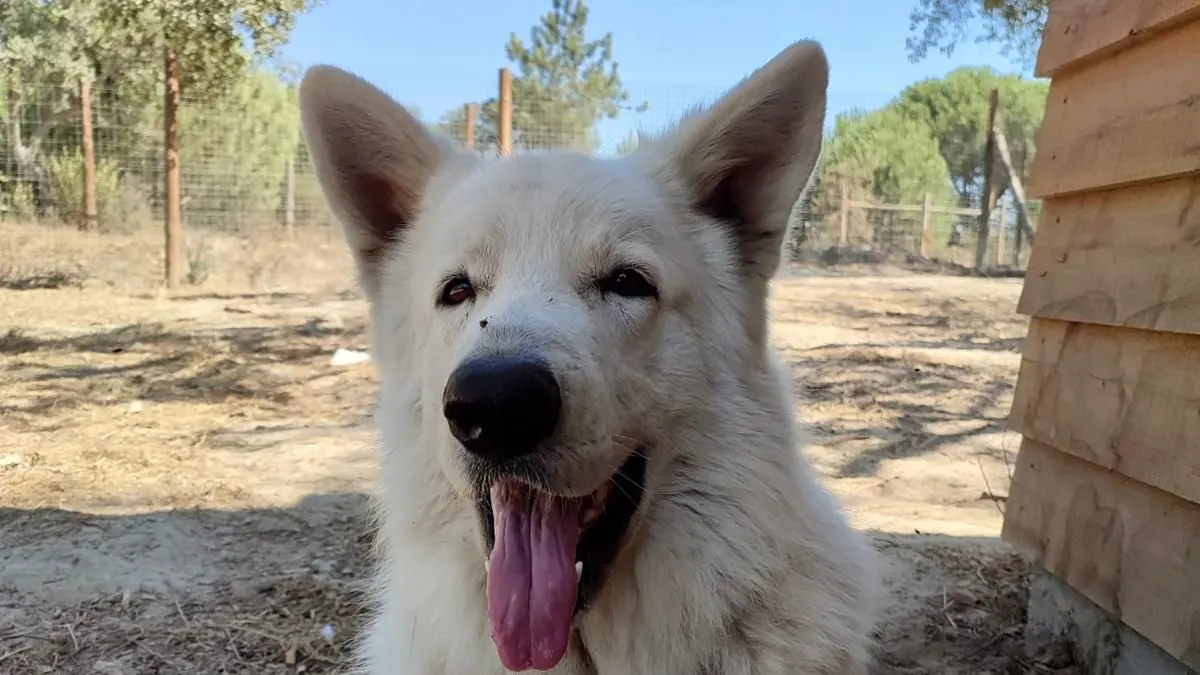
Fear of fireworks is very common in dogs and cats, and New Year's Eve is one of the hardest nights for them. The bangs are sudden, come from every direction and make no sense to an animal. A little care and preparation in advance can help the night go more smoothly for everyone.
How to recognise fear
Not every animal reacts in the same way. Watch out for signs such as:
- trembling, panting and drooling;
- trying to run away, hide or dig;
- barking, howling or meowing non-stop;
- refusing food and water;
- destroying things or toileting indoors;
- sticking close to you or, on the contrary, withdrawing completely.
Some animals show subtle signs, such as licking their lips, yawning a lot or holding their ears back. The sooner you notice the discomfort, the sooner you can help.
Prepare your home in advance
Choose a place where your pet feels safe and which they already know: an interior room, a bathroom or the spot where they usually sleep. If they like their carrier or a corner under the table, let them go there and do not force them out.
- Close windows, shutters and curtains to reduce noise and flashes.
- Play calm music or leave the television on at a moderate volume to mask the bangs.
- Leave fresh water, a blanket and the toys they like.
- Keep doors and gates firmly shut. Many animals bolt in panic, and these are the nights when most get lost.
Walks before the night begins
Walk your dog early, while it is still daylight, and let them do their business before dusk. A longer walk with some play helps burn off energy and leaves them tired and more relaxed. That night, walks should be short, on a short lead and with a well-fitted harness. Never let a frightened dog off the lead outdoors, however obedient they are.
With cats, the rule is simple: stay indoors that day. Even cats that normally roam outside should be brought in before the fireworks begin.
Stay with them and keep calm
If you can, stay at home. Your calm presence is one of the best forms of help. Speak in a low, normal voice, stick to your usual routines and avoid overdoing the cuddles and soothing words, because that can suggest there really is something to fear. If your pet seeks contact, accept it. If they prefer to stay alone in their hiding place, respect that.
Do not punish or scold them. Fear is not disobedience, and punishment only adds to the stress.
Leaving an animal home alone on a night with fireworks is not advisable. If you really must go out, ask someone you trust to keep them company.
Identification and safety
Make sure your pet wears a collar with identification and an up-to-date contact number. If they do run off, this helps them get home sooner. Keep a recent photograph to hand.
Train in good time and talk to your vet
If fear of fireworks and other loud noises is a problem for your pet throughout the year, the best approach is to work on it well before the festive season. With recorded sounds played very quietly, raised gradually and paired with good things, some animals gain confidence. This work must be done slowly, and a trainer or behaviourist can guide you.
For intense fear, talk to your vet well in advance. Only they can assess your pet's case and say whether there is suitable support. Do not give medicines or calming products on your own, nor any made for people or for other animals.
After the night
The next day, take walks with care. Leftover fireworks and gunpowder on the ground can be dangerous if a dog sniffs or eats them. Keep your dog on the lead and steer them away from anything they find.
If your pet was very upset, with loss of appetite or changes in behaviour that do not go away, speak to your vet.
How you can help the sanctuary animals
Many animals that arrive at the sanctuary bring fears with them that take a long time to fade. To find out more about the ways you can help, see the How to help page. You can also become a volunteer, make a donation or get in touch through the contacts page.
Looking for more advice for the colder months? Read Looking after your dog in winter.